
Is it Real… or a Romance Scam?
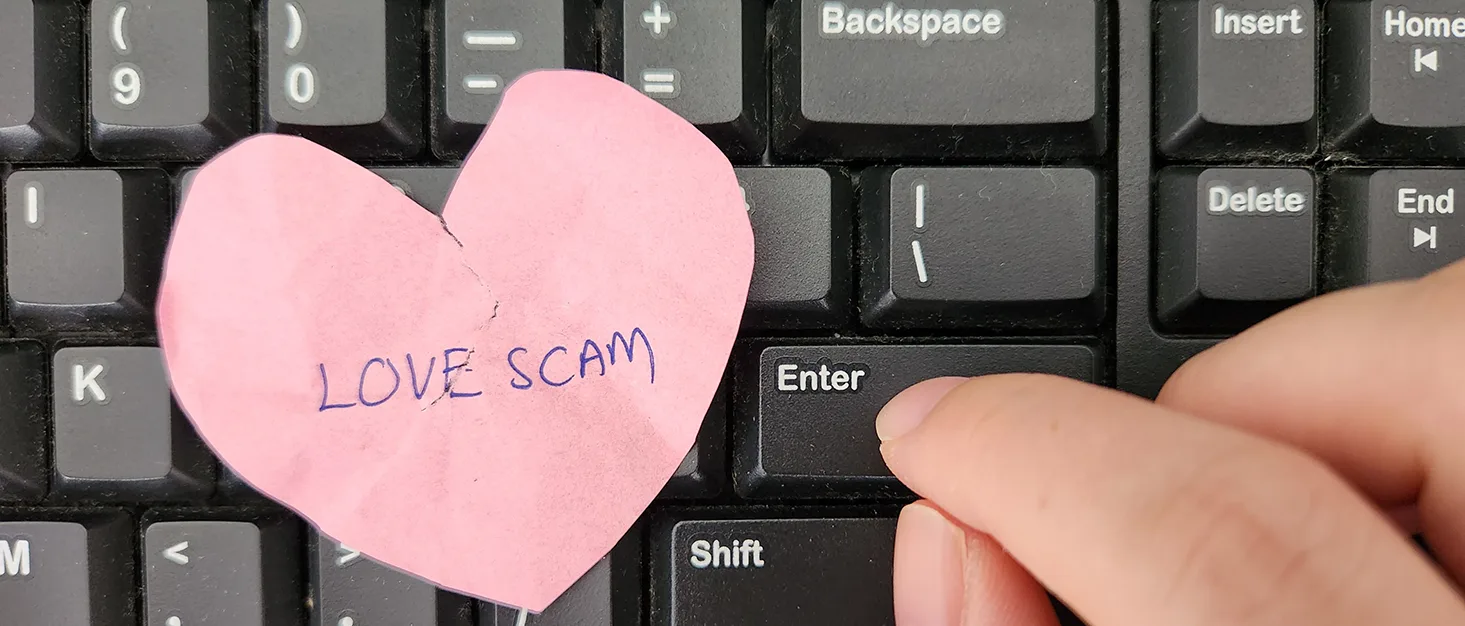
Online dating and social media have made it easier than ever to meet new people. For many, real relationships start with a simple message or friend request. Unfortunately, scammers use the same platforms to build fake profiles and relationships – with a big impact emotionally and financially.
Romance scams don’t just target one type of person. They can happen to anyone, at any age, and often start with genuine conversation that slowly turns into manipulation.
Quick stats: Barclays noted in their romance scam claims that dating apps make up 35% of romance scam claims, while 44% begin on social media.
How Romance Scams Work
Romance scammers play a long game. They focus on building trust before asking for anything.
The “Perfect” Profile – Scammers often use stolen photos and create profiles that seem too good to be true. They claim to be:
- Working overseas (military, oil rig, engineer, contractor)
- Recently widowed or divorced
- Financial stable but temporarily unable to meet in person
Fast Emotional Connection – They move quickly, expressing strong feelings early on: “I’ve never felt this way before”, “You’re my soulmate”, or “I can’t wait to build a life with you”, creates emotional attachment before you’ve had time to verify who they really are.
The Excuse to Avoid Meeting – There’s always a reason they can’t video chat or meet in person (broken camera, work travel, military restrictions, time zone challenges) or promise to visit but cancel last minute.
The Ask – Once trust is built, the requests begin:
- Emergency money
- Help paying a bill
- Funds for travel to finally meet
- Requests to receive or move money for them
- Pressure to invent in “opportunities” (often crypto scams)
Red Flags to Watch For
- They avoid live video calls or in-person meetings
- Their story changes over time or tell stories that lack key details
- They ask to move the conversation off the dating platform quickly
- They request secrecy: “Don’t tell anyone about us yet”
- They ask for money, gift cards, crypto, or wire transfers
- They claim sudden emergencies or financial crises
- Their grammar or phrasing doesn’t match their claimed background
If something feels rushed, dramatic, or secretive – pause and take a closer look.
Tips to Protect Yourself
- Take it slow – Be cautious of intense emotions early on. Real relationships develop over time.
- Don’t send money or financial info – Never send money, gift cards, cryptocurrency, or banking details to someone you haven’t met in person – no matter how convincing their story is. Scammers can use urgency to put you at risk of making sensitive decisions quickly. Don’t rush! Take the time to think through the request.
- Verify their identity
- Do a reverse image search of their profile photos
- Ask for a real-time video call
- Look for consistent details in their story
- Keep conversations on the platform – Dating platforms monitor for suspicious behavior. Moving to private messaging too fast can remove those protections.
Take to someone you trust – Scammers isolate their targets. Getting a second opinion from a friend or family member (or your trusted credit union) can break the spell and reveal red flags you might have missed.
If you think you are a victim of a scam:
- Don’t be afraid or embarrassed – scams and fraud happen often, and we are here to help you.
- Contact your financial institution immediately – the sooner you let them know, the easier it is to help you with your accounts and loans.
- Report the profile on the platform you met them on.
- Save messages and screenshots as evidence.
- Monitor your credit – enroll in our free Credit Score Solution within our digital banking and review your credit score and report periodically. You can also receive free credit reports once a year from annualcreditreport.com.
- If you think someone might be using your personal information – you can report it at ftc.gov.
You’re not foolish for trusting someone – scammers are professionals at manipulation. What matters is protecting yourself moving forward.
The best protection is awareness. Trust your instincts, take your time, and remember – real relationships don’t come with secrecy, pressure, or requests for money. If you or someone you care about is navigating online dating – sharing this information could help prevent real harm.
Questions? Call/text 503.588.0211 or email creditunion@ourgrovecu.com.
Read more fraud prevention posts:
Stolen Identity: How to Protect Yourself & Spot Warning Signs
Fraud Unmasked: How to Recognize and Avoid Common Scams
How to Protect Yourself from AI Scams

Related Posts
With all the great shopping deals coming up, here are some...
Learn how to recognize and avoid common scams used today.
You’ve probably seen the icons on card readers in stores or...